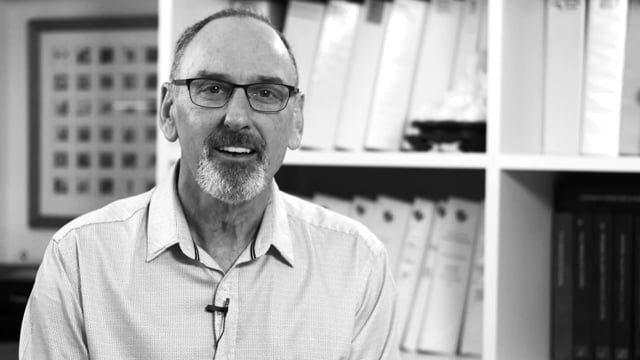

Steve Simpson
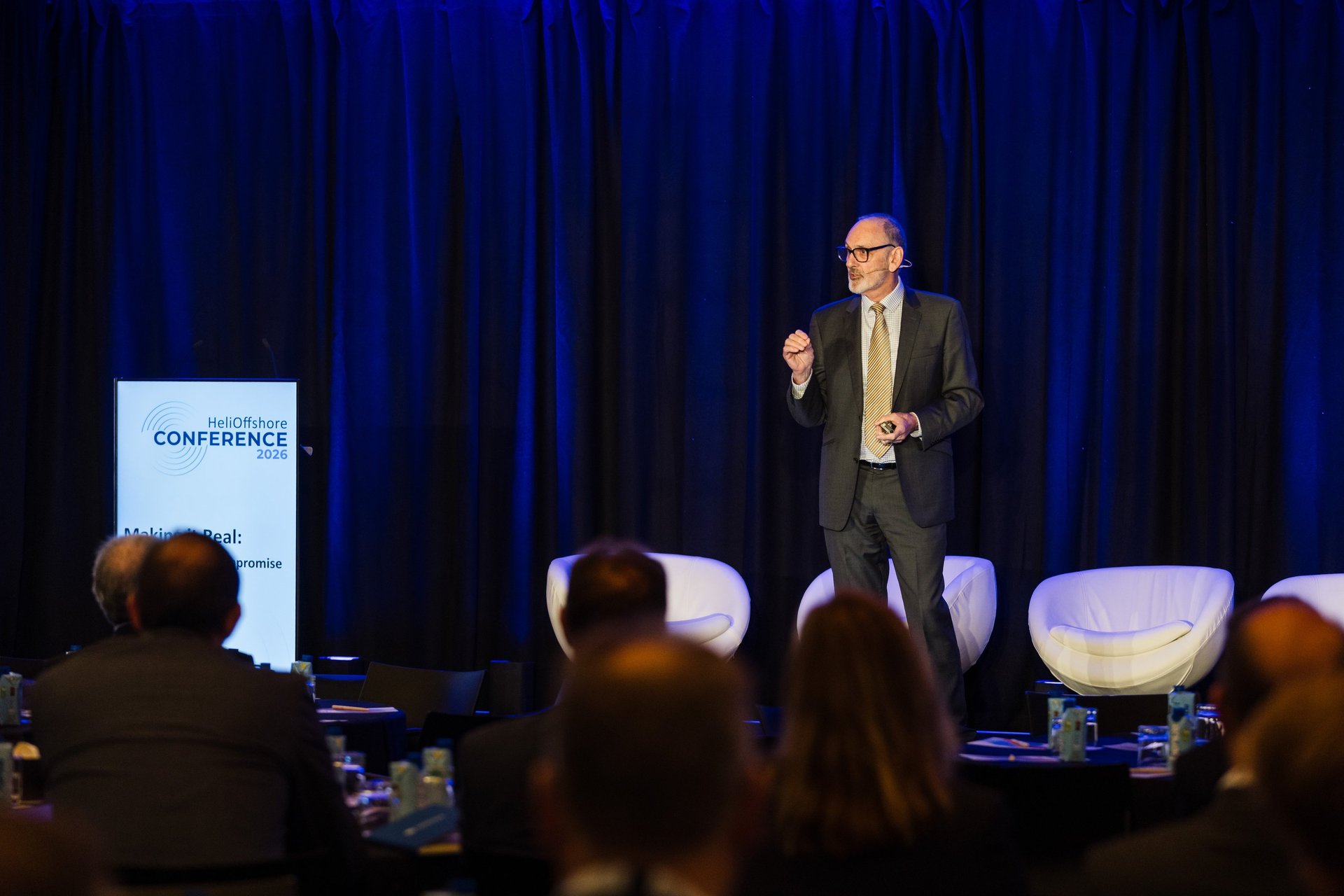
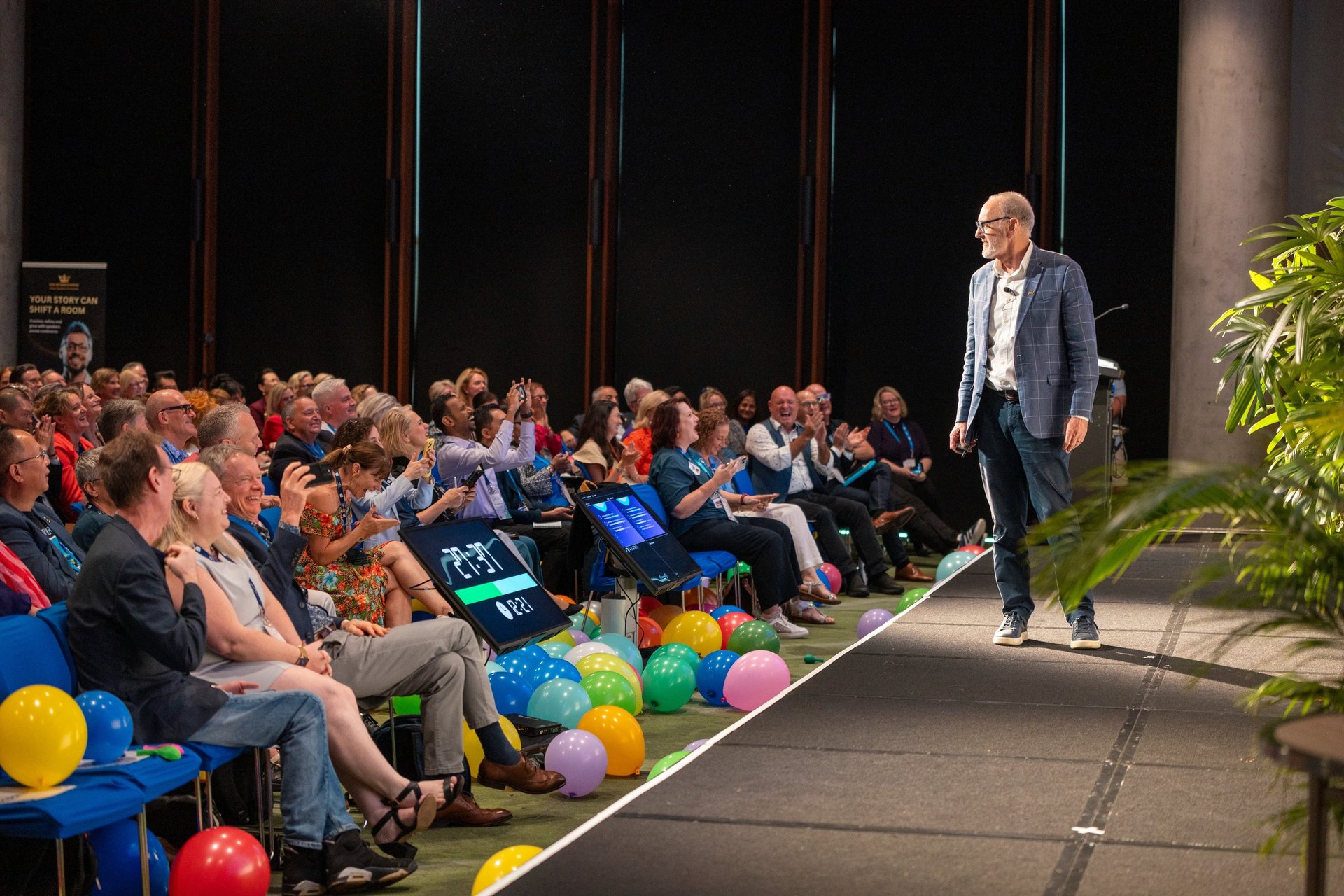
International speaker, author and change agent on Workplace Culture, Steve Simpson has spoken at conferences across the world for more than 35 years
Workplace Culture Speaker, Steve Simpson
"Great workplace cultures enable organisational goals to be achieved and fuel employee engagement. Great workplace cultures create a measurable point of difference in terms of individual and organisational performance. Importantly, great workplace cultures can’t be copied.
But they don't just happen by chance."
- Steve Simpson

"In the 1980s it was Situational Leadership and Ken Blanchard, and Body Language and Alan Pease. In the 2000s, it was Jim Collins and Good to Great. Now is the time for Steve Simpson and UGRs."
Guy Russo, former CEO Kmart and Target, Australia
Steve Simpson
Author
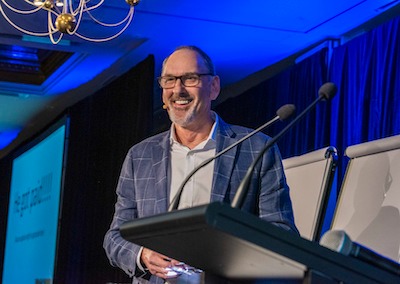
Steve is the author of two books including ‘UGRs: Cracking the Corporate Culture Code’. He is the co-author to a further three books, the latest being ‘A Culture Turned’, written with Steve's business partner, Stef du Plessis. He has a Masters Degree from the University of Alberta, and was invited to undertake an Australian city lecture tour to co-present with Harvard University Professor Rosabeth Moss Kanter.
Practical Experience
Steve’s insights are not based on theory. In addition to his conference presentations, he has worked in-house with a range of organisations on different continents over extended period of time. He knows the pitfalls, traps, objections and issues that emerge when people are challenged to re-think the ‘way we do things around here’.
UGRs®
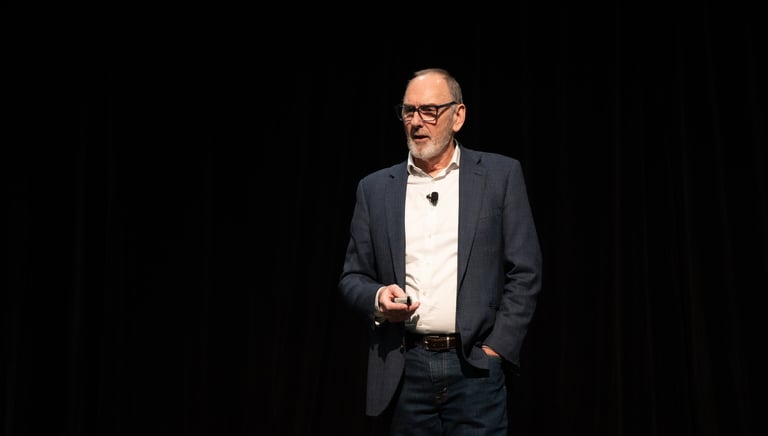
Whether it’s creating a culture to deliver great service, helping leaders understand their role in shaping the culture, helping teams perform better, equipping people to revel in change initiatives, or getting people to take safety seriously, Steve reveals how his concept of UGRs – unwritten ground rules – can be used to effect lasting, positive change.
Learn more about UGRs here
Award Winning
The peak body of professional conference speakers in Australia, Professional Speakers Australia (PSA), recognised Steve’s achievements by awarding him the prestigious Australian Educator of the Year Award in 2015. In 2023 Steve was awarded the Nevin Award for outstanding service to both Professional Speakers and the speaking profession. In the words of PSA, the Nevin Award is "our most cherished honour". In 2026, PSA granted Steve Life Membership.


Introducing Steve